Skip to content

AI Image Generator

Create character portraits, product visuals, and new scenes with an AI image generator. Start with a prompt or edit a reference photo, then keep the versions you want to use.

Creation mode
Prompt is required
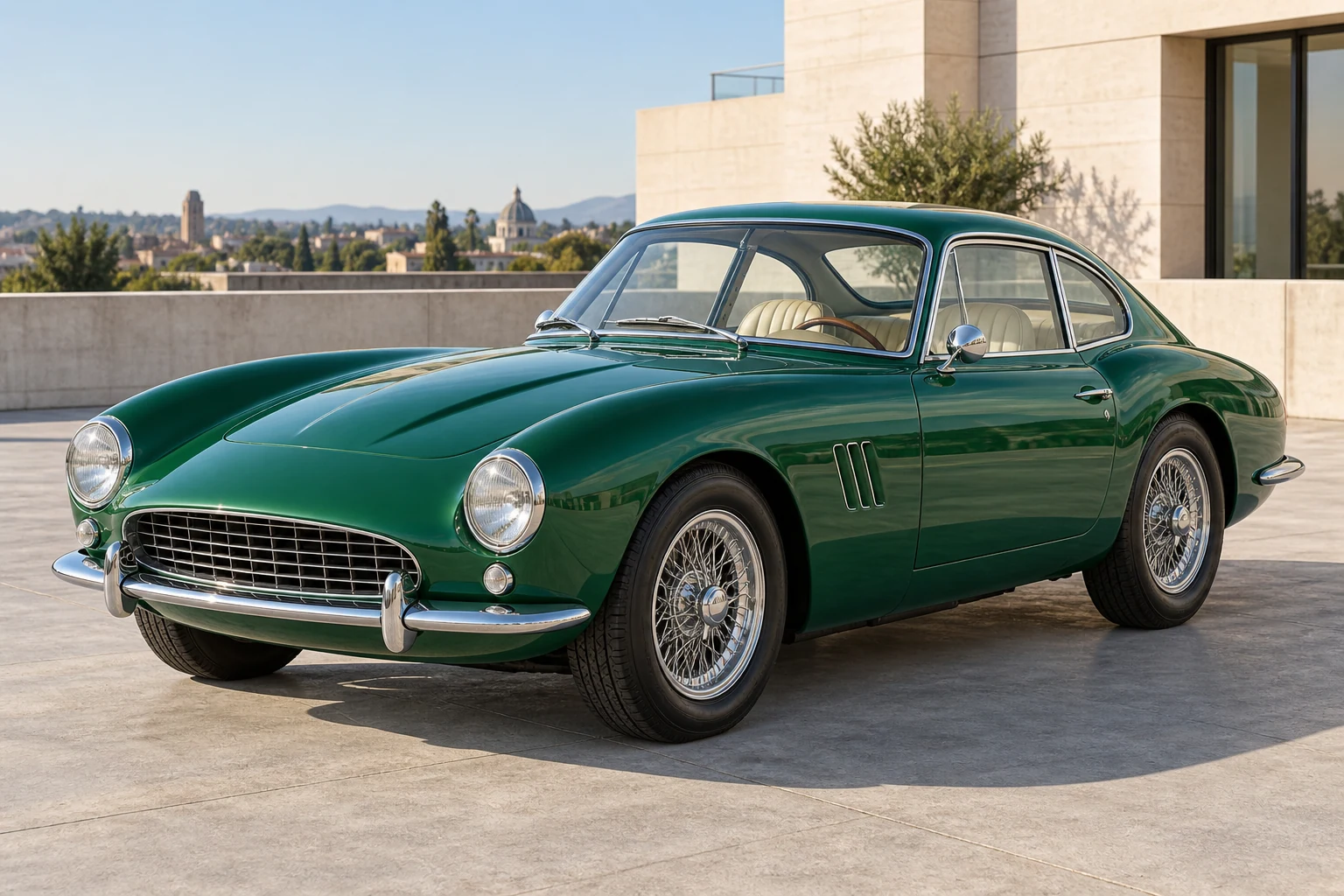
Emerald green coupe on a sunlit stone rooftop
EditorialIllustrative example

Creative examples

Explore portraits, products, and visual worlds

Compare the character, product, editorial, and atmosphere examples to decide what your AI image needs to communicate. Look at the subject scale, separation from the background, and use of light. The examples illustrate visual directions; your own prompt, reference, and selected model determine the generated result.

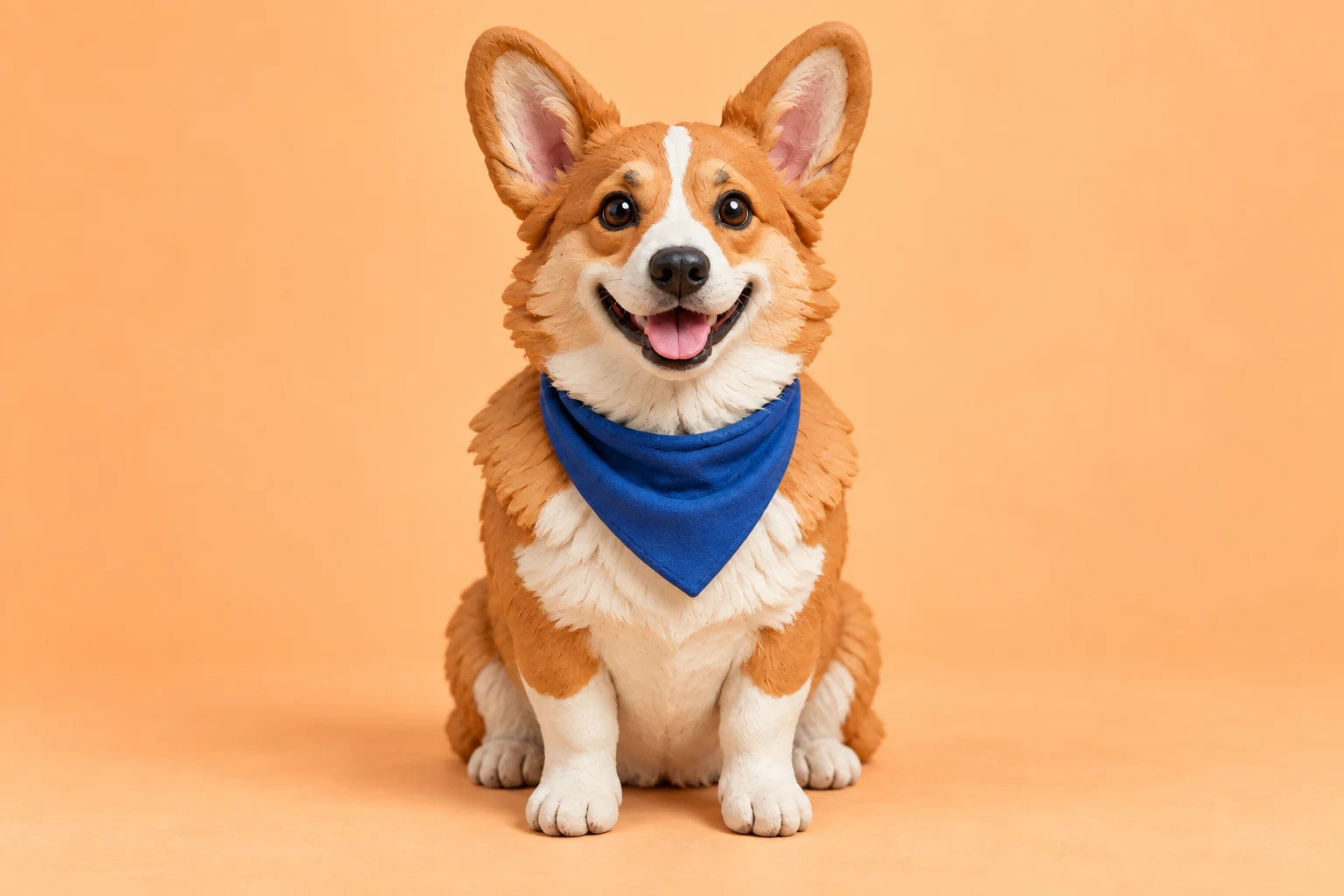
Clay-style corgi with a blue bandana against an apricot background
Character

Character

Create a portrait with a clear visual direction

Describe the character, pose, clothing, setting, and light you want in the portrait. If the image will become a Burning Bridges lead photo, make the subject and intended outfit easy to see. The performance uses the uploaded appearance as a reference, so a cropped-out detail or unclear face gives the next tool less information to work with.

The clay character example uses a clear silhouette and a small accessory to make the subject readable. For a character AI image, decide which traits define the appearance and which can vary. Check the complete pose as well as the face before using the still as a reference for another generation.

Create an AI image
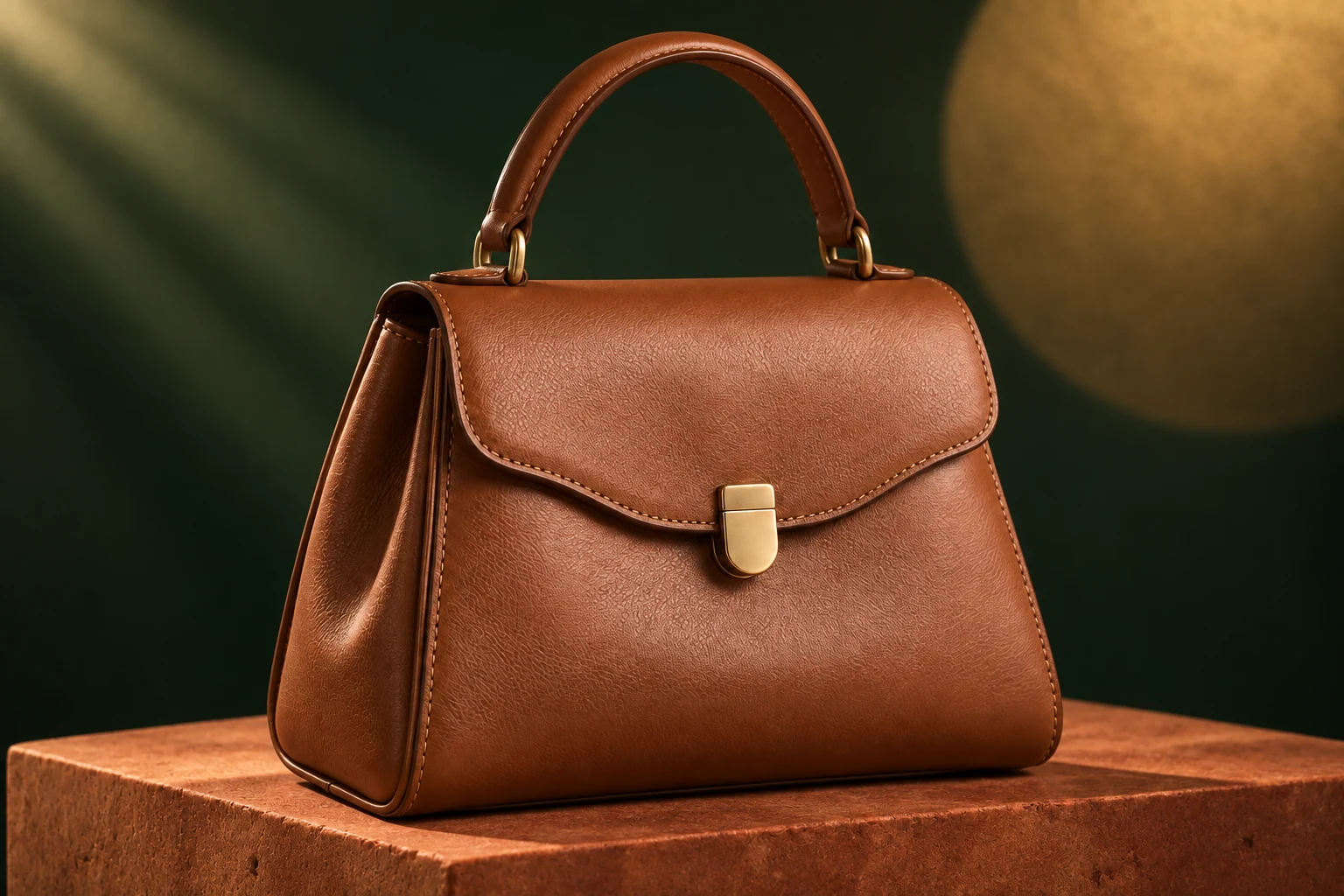
Cognac handbag on a stone block against a dark green studio backdrop
Product

Product

Make a targeted reference edit

Add a reference in a supported image input mode and name the specific change: a different backdrop, warmer light, a new outfit, or another composition. Also identify the details you want to retain. Compare the result against your source image, because a targeted instruction can still affect nearby details and does not guarantee an exact preservation of every pixel.

The handbag example separates a warm product color from a darker studio background. A similar brief can specify the product position, supporting surface, and background tone without prescribing every pixel. In the resulting AI image, check the strap, stitching, and silhouette against any reference details you need to preserve.

Create an AI image
Emerald green coupe on a sunlit stone rooftop
Editorial

Editorial

Set the composition before polishing details

Choose an aspect ratio suited to your intended use, then describe the subject placement and the amount of surrounding space. A close portrait and a wide product scene need different framing. Check the options the selected model offers for output size and count, and review the credit estimate before requesting a larger image or additional variations.

The green coupe example uses a simple architectural setting to frame a glossy subject. For your own AI image, name the surface material and the light direction that should define the shape. Inspect reflections, wheels, and edges in the result before treating a concept as a finished visual.

Create an AI image
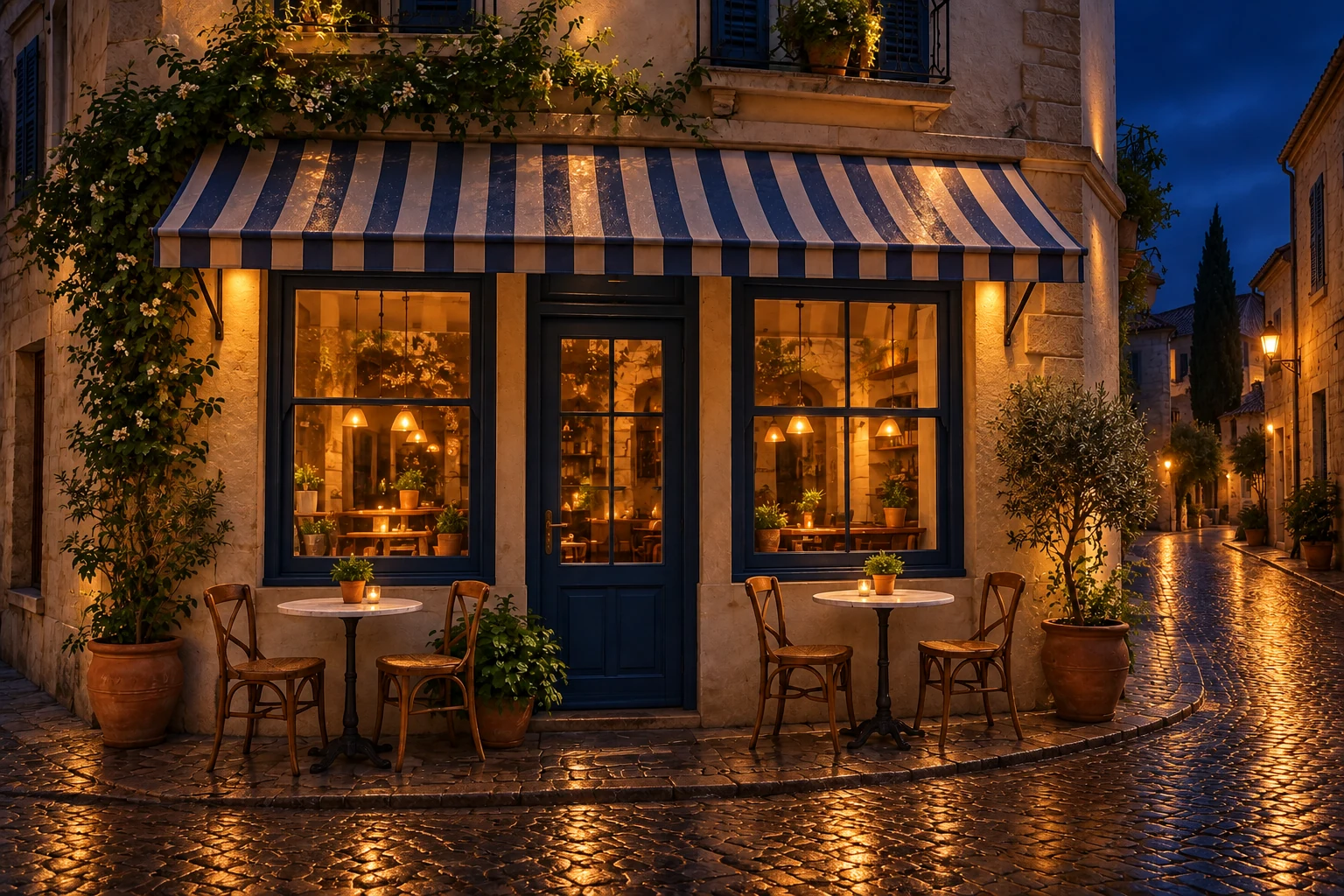
Corner cafe at night with warm windows and wet cobblestones
Atmosphere

Atmosphere

Inspect edges, text, and fine detail

Review the image at the size you plan to use it. Check eyes, hands, hair edges, repeated patterns, product shapes, and any lettering. Read text character by character instead of trusting its overall appearance. Save a useful version before continuing an edit so you have a comparison point if the next generation changes something you wanted to keep.

The night cafe example combines warm windows with a cool, wet street to establish atmosphere. Describe the relationship between the main light sources and surrounding surfaces in your own prompt. Review signs, window patterns, and reflections in the AI image, especially if the result will appear at a large size.

Create an AI image

How it works

Create or edit an AI image in four steps

Describe your image or the changes you want, add a reference where useful, and choose the output settings. Inspect the finished image before downloading or turning it into a video.

  1. 01

    Pick generation or reference editing

    Choose an image model and its supported input mode. Begin with text when you want a new composition, or upload a photo when the request should start from an existing subject. The AI Image studio shows the reference slots and output options available for that selection.

  2. 02

    Describe the picture you need

    Specify the subject, framing, background, and lighting. For a reference edit, identify what should change and which visible details should remain. A request to replace a studio backdrop while keeping the handbag describes a different task from creating an entirely new product concept.

  3. 03

    Review the image settings

    Choose the available image size, aspect ratio, and output quantity for your selected model. Review the credit estimate after making changes, then sign in and generate with available credits. Preparing the prompt or uploading a reference does not itself start a paid generation.

  4. 04

    Inspect and keep your still

    Open the completed AI image and check it at the size where you intend to use it. Inspect faces, hands, product edges, and any lettering. Download the version you want, continue editing from an image result, or use the image-to-video action to explore movement in AI Video.

What you control

Shape the appearance of your still

Use this page to change a still or to continue an image from a finished result. Send a still into motion from the image-to-video action, which opens AI Video on this site.

A new composition or a focused image edit

Use a fresh prompt to explore the whole picture, or begin from a reference when particular details should carry through. The AI Image workspace supports these different tasks through the input modes offered by its models.

Create a still with a defined visual purpose

Develop a portrait, product concept, or setting from a written brief.

A new AI image can give a character an appearance, establish the mood of a scene, or explore how a product might be presented. Choose one purpose before writing the prompt. Describe the focal subject and its placement first, then add the materials, background, and lighting that make the picture useful for that purpose.

Frame for the intended use
A portrait reference benefits from a readable face and outfit; a background image may need open space around its main feature. Select a supported aspect ratio that suits the destination. Check important details near the edges, where a later crop could remove them.

Compare image variations
Keep a promising still before generating another direction. Compare composition, color, and subject accuracy separately so you can identify what needs to change. An attractive alternative may solve a different visual problem from the one you originally set out to address.

Refine an existing image for the next step

Request a specific visual change while naming the details to retain.

Reference editing is useful when the subject is established but the presentation needs work. Request a different backdrop, adjust the atmosphere, or explore a clothing direction, while naming the visible features that should remain. The AI image model can reinterpret other details too, so compare the edited result with the uploaded photo before keeping it.

Review beyond the requested change
Inspect the boundary between the subject and its new surroundings, including hair, straps, hands, and shadows. Check that an edit to the background has not changed a product shape or facial detail that matters. Save the result only after reviewing the whole still.

Continue into another creative tool
Use the image-to-video action on a completed image when you want motion from that composition. For the fixed Burning Bridges performance, download a suitable portrait and upload it as the lead photo on the homepage. Each new request has its own settings and credit estimate.

Limits

Prepare an AI image for its next use

A portrait, a product visual, and a scene background have different success criteria. Decide where the still will go before choosing its framing, and judge the output against that purpose.

Keep the important details visible

For a character portrait, leave enough room to read the face, hair, and outfit. For a product, show the silhouette and surfaces that distinguish it. An AI image can reinterpret tiny accessories or markings, so do not rely on a small detail staying exact across every variation.

Treat lettering as a review task

Inspect labels, signs, and logos closely when they matter to the image. Read every visible word and check repeated patterns and edges. A convincing thumbnail can still contain spelling errors or altered product details that become obvious when you open the full result.

Use an image you can transform

Bring photos and artwork you have permission to edit, and check rights before distributing an AI image. A generated portrait can be prepared for the Burning Bridges performance, while the image-to-video action opens the general video studio. Review the still before using it as another reference.

Credits

Plan credits for your AI images

Check the estimate for the image size and number of outputs you have selected. A new variation or a further edit is a separate generation, so include those attempts when planning your available credits. Compare included credits on the Pricing page before choosing a subscription or one-time pack.

Starter

For your first ideas.

$8.3/month

$100.0 charged yearly

2,400 credits/year

Up to 400 images

GPT Image 2Nano Banana Pro

Up to 240 videos

Seedance 2.5Kling 3.0 Motion Control
  • Up to 4K images and HD videos, depending on the model
  • Image editing, video creation & motion transfer
  • Download completed images & videos
  • Generation history in your account
Popular40% OFFSave $238.8

Pro

For a steady creative flow.

$30.0/month$49.9/month

$360.0 charged yearly

21,600 credits/year

Up to 3,600 images

GPT Image 2Nano Banana Pro

Up to 2,160 videos

Seedance 2.5Kling 3.0 Motion Control
  • Up to 4K images and HD videos, depending on the model
  • Image editing, video creation & motion transfer
  • Download completed images & videos
  • Generation history in your account
  • Use credits across image and video models
Best Value50% OFFSave $599.8

Business

For more creations, more often.

$49.9/month$99.9/month

$599.0 charged yearly

48,000 credits/year

Up to 8,000 images

GPT Image 2Nano Banana Pro

Up to 4,800 videos

Seedance 2.5Kling 3.0 Motion Control
  • Up to 4K images and HD videos, depending on the model
  • Image editing, video creation & motion transfer
  • Download completed images & videos
  • Generation history in your account
  • Use credits across image and video models

Basic

$0

Try before you subscribe

  • 18 one-time signup credits
  • Generation history included
  • Preview and download completed results
  • Costs vary by model and settings
  • No subscription needed for signup credits

Prices in USD. Subscriptions renew automatically until cancelled; period credits expire. One-time pack credits never expire. Full refund requests within seven days. Terms · Refund Policy.

Questions

AI image questions before you start

Reference editing, output choices, and using a completed still for your next creation.

Can I create an image without a reference photo?

Yes, choose a model and input mode that support a text prompt. Describe the subject, setting, composition, and visual style you want. If you already have an image you want to change, switch to a supported reference mode and explain the intended edit. Available controls depend on the model, so review the workspace before submitting.

How can I keep part of a reference while changing another part?

State what should remain recognizable and name the change separately. For example, ask to retain the subject and pose while changing the background. Compare the result with the original before continuing. Image generation may alter details beyond the requested edit; a reference and a precise prompt guide the result without guaranteeing pixel-perfect preservation.

Can I use the image in Burning Bridges or another video?

Download a portrait you want to use as the lead photo, then upload it on the Burning Bridges homepage. For a new animated scene, an image result can be sent to AI Video through its image-to-video action. Each step is a separate generation with its own settings and estimate. Only use subjects and reference material you have permission to transform.

What should I check before downloading an image?

Inspect the composition first, then zoom into the details that matter for your use: faces, hands, product edges, patterns, and lettering. Generated text and small shapes can look plausible at a glance while containing mistakes. Keep a useful version before another edit. Image costs vary with the model and settings; review the estimate before each generation.

On this site

Build the still your next idea needs

Use the AI Image studio for a character portrait, a product concept, or a reference edit. Choose what the picture should communicate, set its framing, and review the estimate. Once you have a useful still, keep it for download or continue into a video workflow.

Open AI Image